
Introduction
Environmental, Social, and Governance (ESG) reporting has become an essential aspect of corporate governance, as investors, stakeholders, and customers increasingly demand transparency and accountability from companies. ESG reporting provides a framework for companies to disclose their sustainability performance, risks, and opportunities, enabling informed decision-making and promoting long-term value creation. In this article, we will explore the importance of ESG reporting, the benefits of visualising sustainability, and effective ESG report design.
The Importance of ESG Reporting
ESG reporting is crucial for companies to demonstrate their commitment to sustainability, social responsibility, and good governance. By disclosing their ESG performance, companies can:
- Enhance their reputation and credibility: Transparent ESG reporting builds trust with stakeholders, showcasing a company’s dedication to ethical practices and sustainability.
- Attract investors and customers who value ESG considerations: More investors and consumers are prioritising ESG factors in their decision-making processes, making ESG performance a key differentiator.
- Identify and manage ESG risks and opportunities: Regular ESG reporting helps companies stay ahead of potential risks and capitalize on opportunities, ensuring long-term resilience.
- Improve their sustainability performance and reduce their environmental footprint: Continuous monitoring and reporting drive improvements in sustainability practices, leading to a reduced environmental impact.
- Comply with regulatory requirements and industry standards: Adhering to ESG reporting standards ensures compliance with evolving regulations and industry expectations.

Effective ESG Report Design
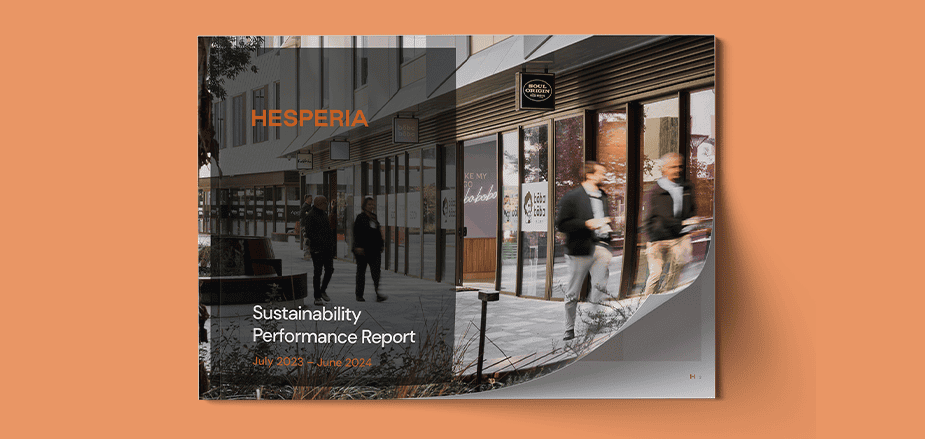
Effective ESG report design is critical for communicating a company’s sustainability performance and progress. Here are some key considerations:
- Clear navigation: Use clear and concise headings, subheadings, and navigation to guide the reader through the report. A well-structured report ensures that stakeholders can easily find the information they need.
- Visual storytelling: Use visualisations, such as charts, graphs, and infographics, to tell the story of a company’s sustainability performance. Visual elements can make complex data more accessible and engaging.
- Consistent branding: Use consistent branding and design elements throughout the report to reinforce the company’s identity. A cohesive design enhances the professional appearance of the report.
- Accessibility: Ensure that the report is accessible to all stakeholders, including those with disabilities. Consider using accessible design practices and providing alternative text for visual elements.
- Digital optimisation: Optimise the report for digital platforms, including mobile devices and tablets. A digitally optimized report ensures that stakeholders can access and interact with the content on any device.
Creating a transparent ESG report is far more than a box-ticking exercise—it’s a powerful tool for building trust, demonstrating accountability and enhancing your brand’s reputation.
We explored this in our recent discussion titled “How companies can align with investors through ESG”.
But let’s take things a step further.
It’s not enough to just create an ESG report; it’s imperative to visually demonstrate your sustainability efforts as well.
Still need a little convincing? We’ve got 5 compelling reasons why your brand needs to visualise sustainability through a well-designed ESG report.
- Boosts credibility and trust
Let’s face it—trust is the currency of today’s marketplace.
As stated commitments rise, transparency is more relevant than ever. Consumers, investors, employees and regulators are becoming increasingly clued in to false or misleading ESG claims.
In a recent internet sweep of 247 businesses, the Australian Competition and Consumer Commission (ACCC) identified 57% as making false, misleading, unclear or unsubstantiated claims, pointing to ‘greenwashing’ – whether intentional or not – on a concerning scale.
To avoid falling into this trap, your ESG report needs to stick to the facts.
Specific, accurate data presented through honest and straightforward visuals will showcase your genuine sustainability efforts, and help you avoid perpetuating a false narrative.
2. Design tells a story and enhances brand perception
Your ESG report isn’t just about data; it’s your chance to tell your brand’s story.
Good design can turn dry data into visually engaging narratives that really connect with your stakeholders.
When you infuse your report with the values, stories and culture of your business, you elevate how your brand is perceived by your audience.
Remember, it’s not just about the information—it’s about the impression you leave.
3. Aligns with broader business objectives
Mining companies, like many others, work within a complex web of investors, consumers and communities.
That’s why, aligning your ESG initiatives with your broader business goals can really add value. Stakeholders want to see a clear ESG vision that leads to real, sustainable impact.
We recommend that you share how your business is working within local communities in order to gain social licence and ensure mutual benefits. Describe the actions you take to evaluate risks, and how you work around them to create a positive impact.
4. Engages a diverse audience
An engaging ESG report isn’t just for your shareholders—it’s for everyone involved, from casual stakeholders to technical experts.
Think of it like this: some people are more visual, while others prefer to read.
Depending on age, background and purpose, people interacting with your business will relate differently to the information provided. A long explanatory paragraph may work for one person, but another might engage better with an infographic.
The ESG report alone may cater to one demographic. However, breaking it down into different communication touchpoints ensures no one is left behind, and the report resonates with a broader audience.
Interactive elements like microsites can focus on specific campaigns, products, or topics, targeting and engaging users through visual, information-heavy content.
Infographics can break down complicated metrics into more digestible visuals, ensuring your ESG narrative stays at the forefront of the reader’s mind. Finally, layered information – providing high-level summaries with the option to drill down into more detailed data – ensures the report is accessible to all levels of stakeholders.
5. Keeps up with evolving standards
The landscape is ever changing, and the criteria surrounding ESG performance have been evolving rapidly.
With increasing regulations, transparency remains at the forefront. Leveraging digital formats like interactive online reports can offer dynamic engagement with the content.
The design should focus on usability and accessibility, making reports easy to navigate for all stakeholders.
Integrating scenario modelling can help stakeholders understand the potential future impacts of current ESG initiatives, ensuring your report meets and exceeds evolving transparency expectations.
6. Visualise your sustainability
Creating a transparent and engaging ESG report isn’t just good practice—it’s good business.
By focusing on clarity, alignment with business objectives, engaging design and evolving standards; your ESG report can transform from a regulatory requirement to a powerful tool for building trust and enhancing your brand’s reputation.
Integrating ESG into Annual Reports
Integrating ESG into annual reports is essential for providing a comprehensive picture of a company’s performance. Here are some key considerations:
- ESG section: Include a dedicated ESG section in the annual report that provides an overview of the company’s sustainability performance. This section should highlight key achievements and future goals.
- ESG metrics: Include ESG metrics and data throughout the report, including in the CEO’s letter, financial statements, and management’s discussion and analysis. Integrating ESG data into various sections underscores its importance.
- Risk management: Discuss ESG risks and opportunities in the risk management section of the report. Highlight how the company is addressing potential ESG risks and leveraging opportunities for growth.
- Governance: Discuss ESG governance and oversight in the corporate governance section of the report. Explain the structures and processes in place to ensure effective ESG management.
- Assurance: Consider obtaining independent assurance on the ESG data and information included in the report. Third-party verification can enhance the credibility and reliability of the reported data.
So, are you ready to make your ESG report not just a document, but a compelling story of your commitment to sustainability and ethical governance? We would love to connect.