
10 SEPTEMBER 2024 – INSIGHTS
In a world where words like “sustainability” and “green” are thrown into more corporate conversations, it’s easy to feel it’s all smoke and mirrors.
But make no mistake, there are real, impactful leaders out there who are cutting through the noise. There are global trailblazers who are setting new standards, pushing boundaries and showing us what true commitment for a sustainable future looks like.
If you’re looking to get past the fluff and see what genuine progress in ESG really means, these 5 global thought leaders are the ones to watch, influencing both the public and private sector.
Who are the Thought Leaders in Sustainability?
Thought leaders in sustainability are the visionaries and pioneers who are driving significant change in how we approach environmental stewardship. These individuals have made remarkable contributions to the field, demonstrating expertise and innovation that set new benchmarks for others to follow. Among these luminaries is Kate Brandt, Google’s Chief Sustainability Officer, who has been a trailblazer in advancing sustainability within the private sector. Her work exemplifies how corporate giants can lead the charge in addressing climate change and promoting sustainable practices. Alongside her, other experts in renewable energy, climate change, and sustainable development are shaping a future where sustainability is at the core of business and societal progress.
#1 Christiana Figueres – Co-Founder, Global Optimism

Photo Credits: Global Optimism
When it comes to climate action, Christiana Figueres is a name that resonates globally.
As the former Executive Secretary of the United Nations Framework Convention on Climate Change (UNFCCC), she was instrumental in the creation and successful adoption of the Paris Agreement in 2015.
Figueres is now the co-founder of Global Optimism, an organisation focused on transforming the world’s approach to climate change through optimism and practical action.
Her podcast, Outrage + Optimism, is a must-listen for anyone interested in the latest in climate action. Figueres doesn’t just inform—she inspires, urging us to choose a path that leads to a sustainable future.
#2 Mindy Lubber – CEO and President, Ceres
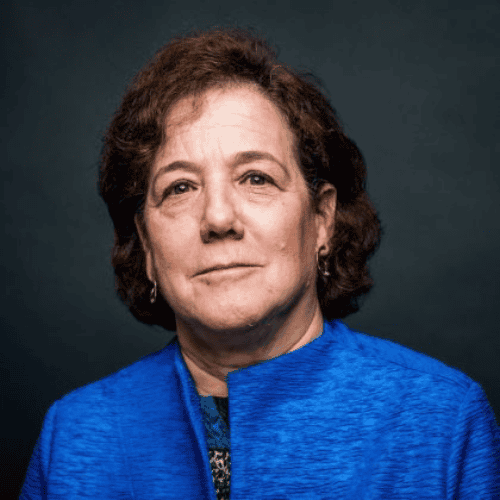
Photo Credits: Development Guild DDI
Mindy Lubber has been a powerhouse in the sustainability space for over two decades.
As the CEO and President of Ceres, Lubber has been at the forefront of driving corporate responsibility and sustainability. Ceres works with investors and companies to build leadership and drive solutions throughout the economy.
Lubber’s approach is all about turning sustainability from a buzzword into a tangible, actionable strategy that companies can implement to protect the planet and also enhance their bottom-line.
Her work underscores the idea that sustainability and profitability are not mutually exclusive—rather, they are deeply interconnected.
#3 Kate Brandt – Chief Sustainability Officer, Google’s worldwide operations
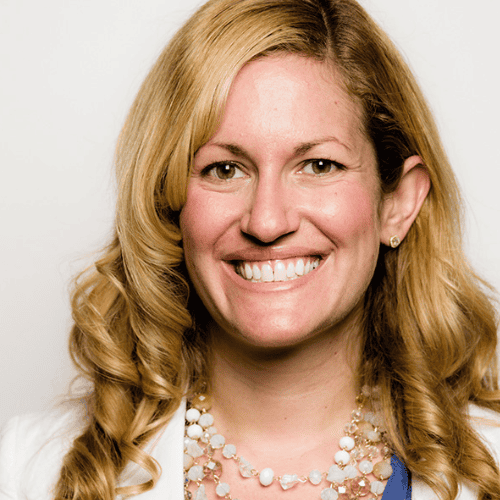
Photo Credits: Integrity Council for the Voluntary Carbon Market
Google has gained a solid reputation for being at the forefront of most things.
When it comes to sustainability, Kate Brandt is leading the charge. As Google’s Chief Sustainability Officer, Brandt is responsible for the company’s sustainability efforts across Google’s worldwide operations. Google’s goal to operate on 24/7 carbon-free energy by 2030 is a testament to these efforts.
She has been pivotal in advancing Google’s ambitious environmental goals, including achieving 100% renewable energy for its data centres and offices. The importance of the circular economy in Google’s sustainability efforts cannot be overstated.
Brandt is a firm believer in the power of technology to create positive environmental change. She received the Distinguished Public Service Award for her impactful work in sustainability while serving as the first Federal Chief Sustainability Officer. Her role as an Energy Advisor to the Secretary of the Navy further highlights her expertise.
Her initiatives at Google, such as Project Sunroof, which helps homeowners explore solar energy options, demonstrate how innovation and sustainability can go hand-in-hand. Brandt’s educational background includes a Master’s degree in International Relations from the University of Cambridge.
She also served as a Senior Advisor at the Department of Energy, showcasing her significant responsibilities at a young age. Within Google, she continues to strategically advance sustainability, coordinating various teams and resources to promote sustainable practices.
Federal Chief Sustainability Officer: A New Era in Sustainability Leadership
The role of the Federal Chief Sustainability Officer is pivotal in steering sustainability efforts within the public sector. Kate Brandt, as the first to hold this title, set a precedent for what effective sustainability leadership looks like in government operations. Her tenure was marked by a commitment to integrating sustainable practices across federal agencies, fostering a culture of collaboration and innovation. This role continues to be crucial, ensuring that sustainability initiatives are strategically advanced within the federal government. The Federal Chief Sustainability Officer’s work underscores the importance of public sector leadership in achieving broad, impactful environmental goals.
Renewable Energy and Sustainability
Renewable energy stands as a cornerstone of sustainability, offering a path to reduce our dependence on fossil fuels and mitigate the adverse effects of climate change. Google has emerged as a leader in this arena, with a bold commitment to power its global operations entirely with renewable energy. The company’s substantial investments in wind and solar power are not just about meeting energy needs—they are about setting a standard for corporate responsibility. These efforts have significantly reduced Google’s carbon footprint, showcasing a model of how innovation and sustainability can go hand-in-hand to create a more resilient and eco-friendly future.
#4 Sophia Mendelsohn – Chief Sustainability Officer, Cognizant

Photo Credits: ESG Today
Sophia Mendelsohn is a trailblazer in embedding sustainability into the core operations of global businesses. As the Chief Sustainability Officer at Cognizant, she is responsible for shaping the company’s ESG strategy and ensuring that it exceeds the expectations of clients, investors and regulators.
Mendelsohn’s work has been instrumental in shifting the corporate mindset towards seeing sustainability as a critical business function.
Her efforts in training employees on sustainability issues and integrating ESG into everyday business decisions make her a leader who is truly moving the needle.
#5 Ahmed Samir Elbermbali – Sustainability Market Leader, Middle East Region, Bureau Veritas Group

Photo Credits: CEBC MENA
Ahmed Samir Elbermbali is a name that stands out in the Middle East for his work in advancing clean energy and sustainability.
As the Sustainability Market Leader for the Middle East region at Bureau Veritas Group, Elbermbali has been a strong advocate for zero-emissions vehicles and clean energy initiatives.
His role in the United Nations Climate Change High-Level Champions campaign has been critical in promoting sustainable mobility solutions.
Elbermbali’s work is a perfect example of how regional leadership can drive global change, especially in a region that is often seen as an energy consumption hub.
#6 Paul Polman – Co-Founder and Chair, Imagine
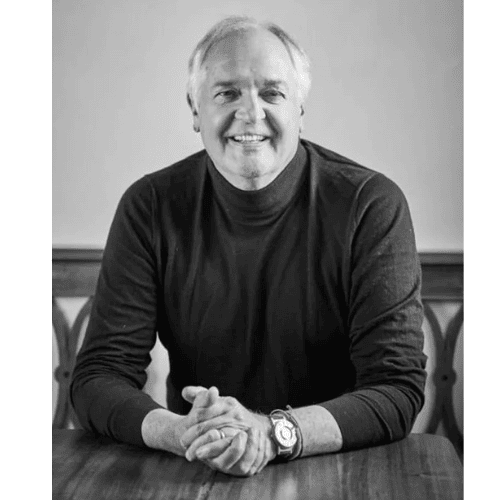
Photo Credits: Thinking Heads
Paul Polman, the former CEO of Unilever, has long been a champion of sustainable business practices.
During his tenure at Unilever, Polman led the company’s transition towards a more sustainable business model, launching the Unilever Sustainable Living Plan, which aimed to decouple the company’s growth from its environmental footprint while increasing its positive social impact.
Today, as Co-Founder and Chair of Imagine, a social venture that mobilises business leaders to tackle climate change and global inequality, Polman continues to push for systemic change.
His work at Imagine focuses on harnessing the power of collective action, bringing together CEOs and industry leaders to accelerate progress towards the UN’s Sustainable Development Goals.
Polman’s vision is clear: business must be a force for good and through collaboration, we can create an economy that works for both people and the planet.
Make ESG and climate action a core part of your strategy, and everyday conversation
These 5 thought leaders are trailblazing the way in sustainability, each bringing their unique flair to the table. They offer more than just advice—they give you a roadmap for tackling the twists and turns of ESG with creativity, innovation and impact.
Following these changemakers can help your company navigate ESG challenges and also seize the opportunities that come with them. It’s about making informed decisions that resonate with everyone—from investors to the broader community.
Tapping into their wisdom sets you up as a leader in sustainable business. It’s about building trust, creating long-term value and showing the world you’re serious about making a difference.
At Brand Foundry, we’re here to help you weave ESG into the very fabric of your business, guiding you to lead with purpose and achieve lasting success.
Let’s make sustainability more than just a goal—let’s make it part of your everyday.
View more insights or have them delivered to your inbox.
Conclusion
In conclusion, sustainability is a pressing issue that necessitates a concerted effort from all sectors of society. Thought leaders like Kate Brandt are at the forefront, driving innovation and collaboration to tackle environmental challenges. The integration of renewable energy, reduction of carbon footprints, and proactive measures against climate change are essential components of a sustainable strategy. As we look ahead, it is imperative that we continue to prioritize sustainability, working together across public and private sectors to build a future that is not only viable but thriving for generations to come.